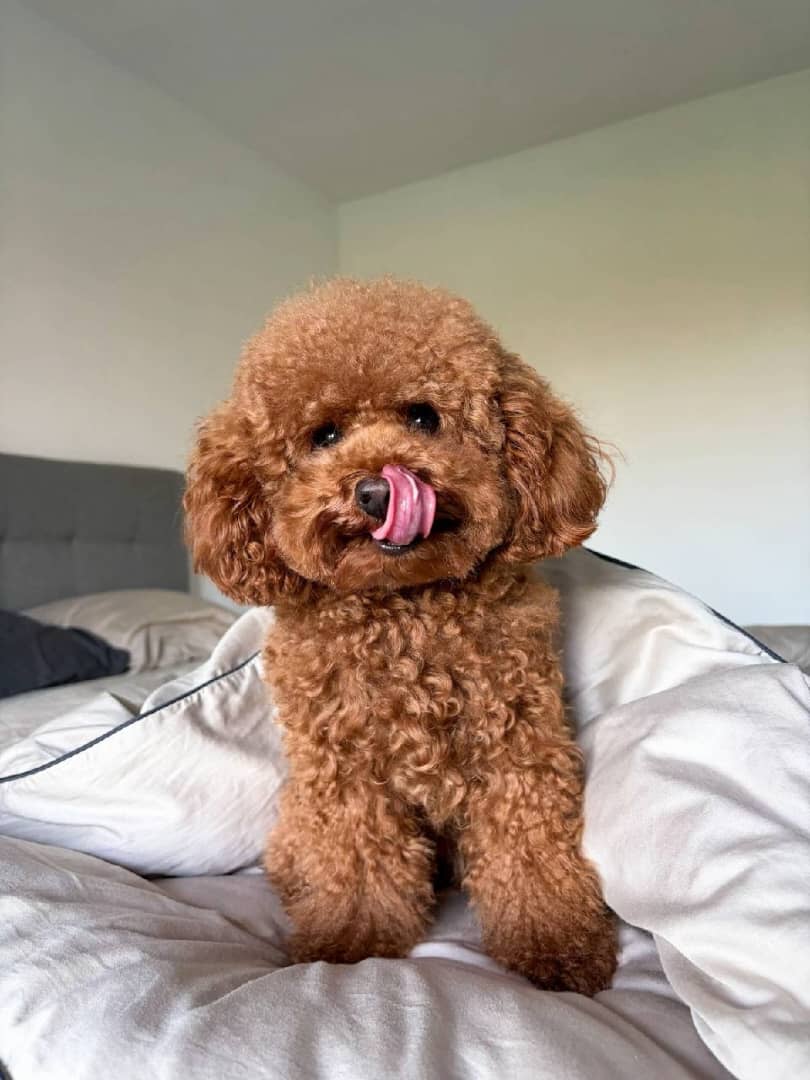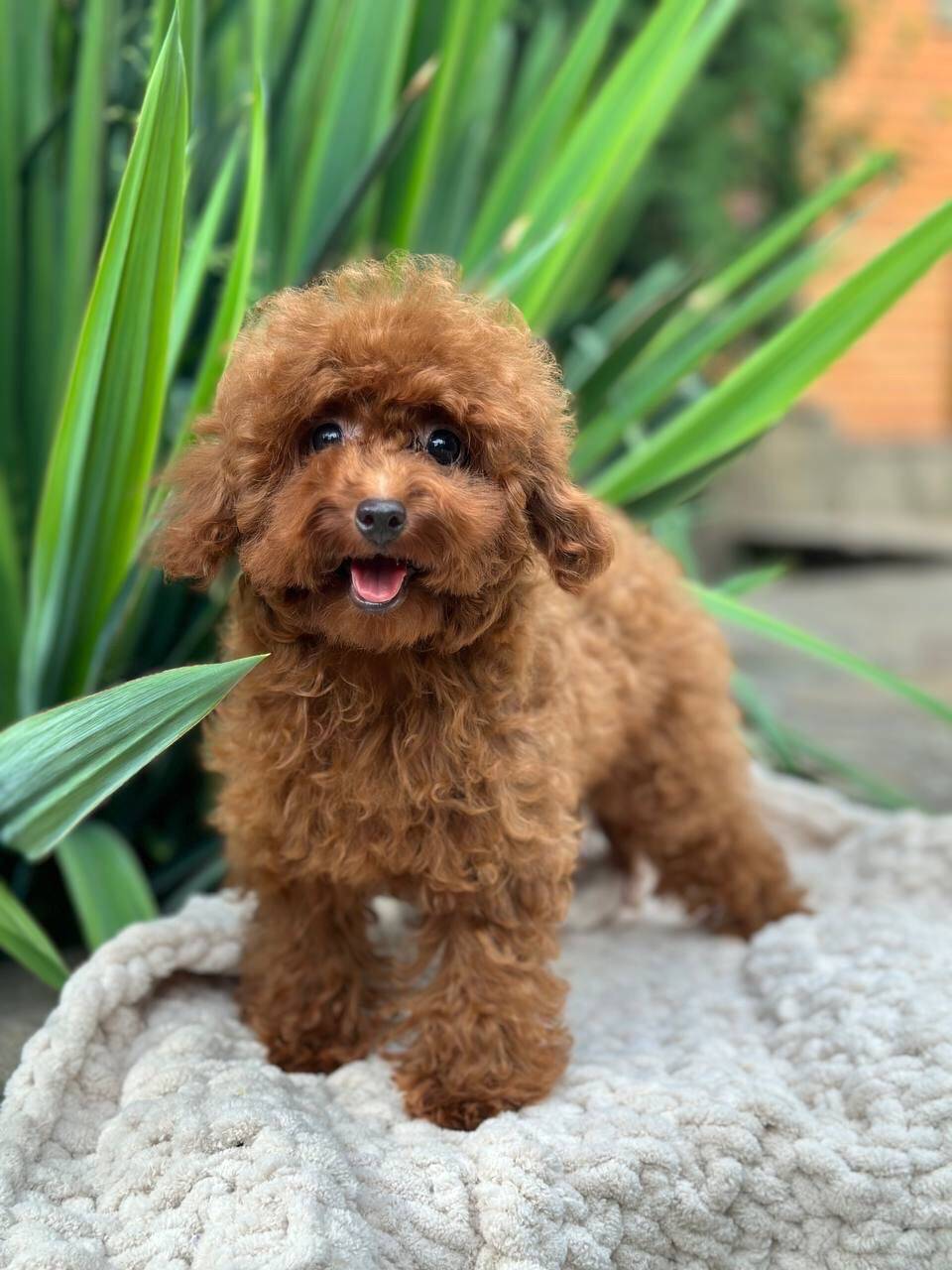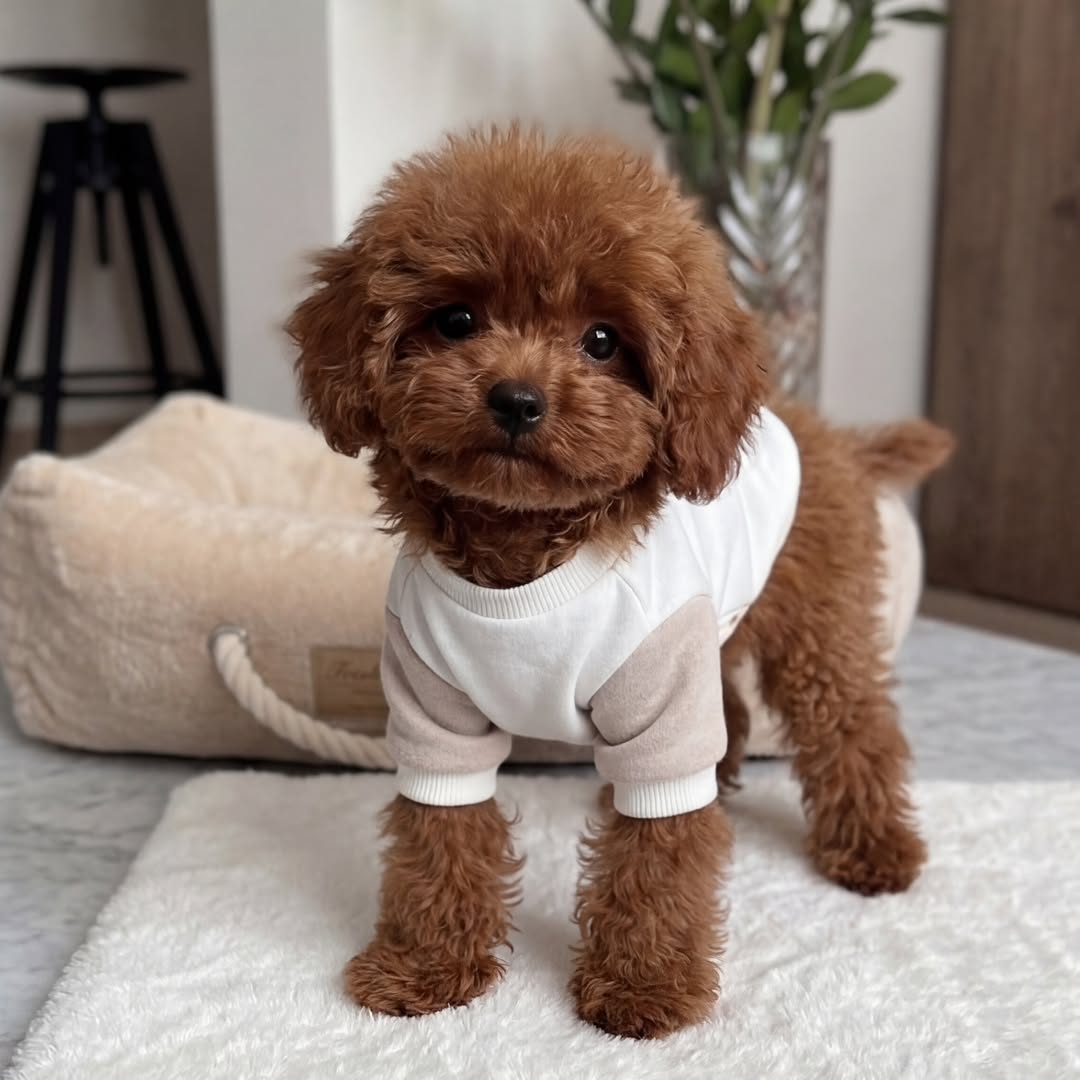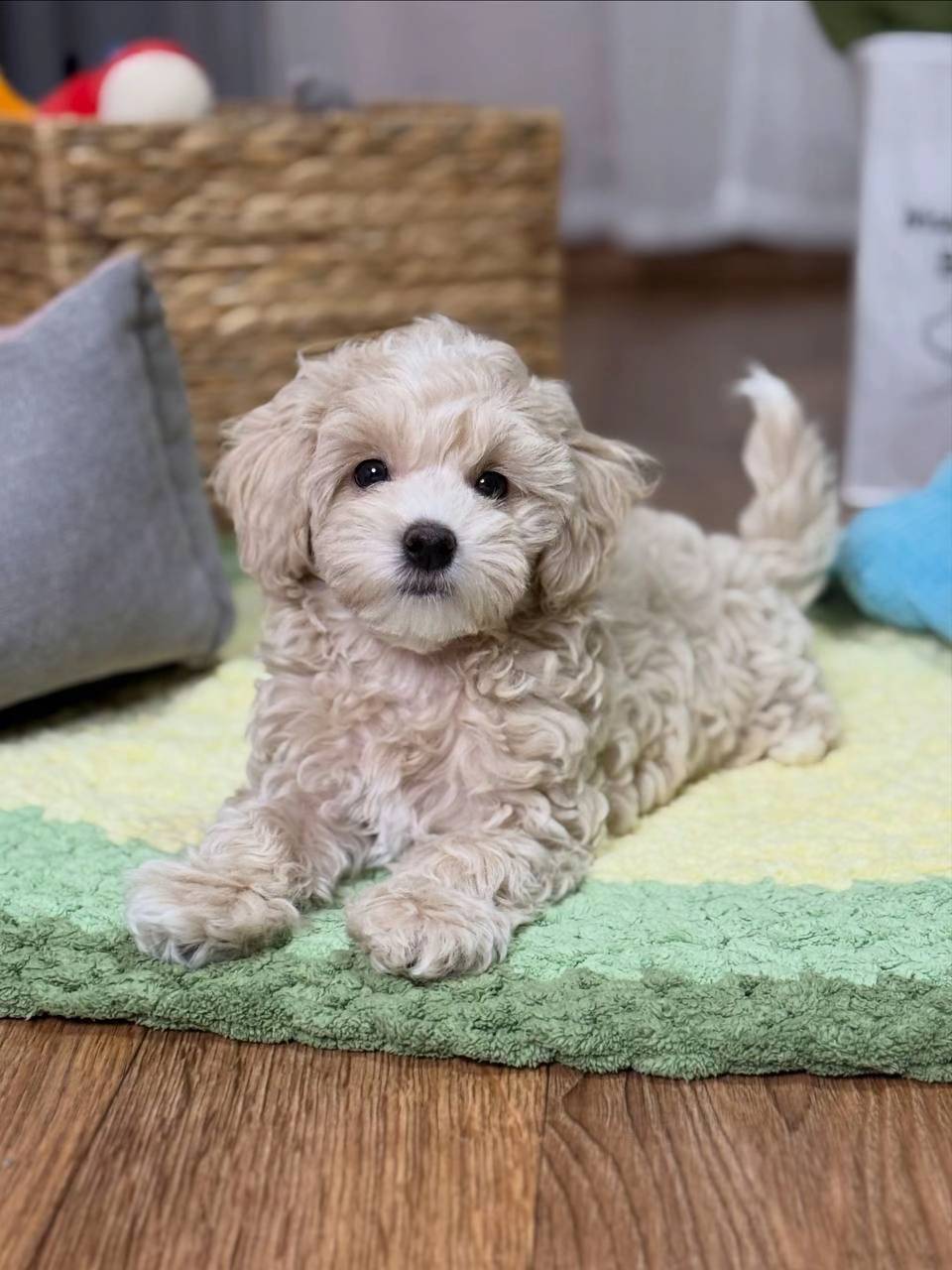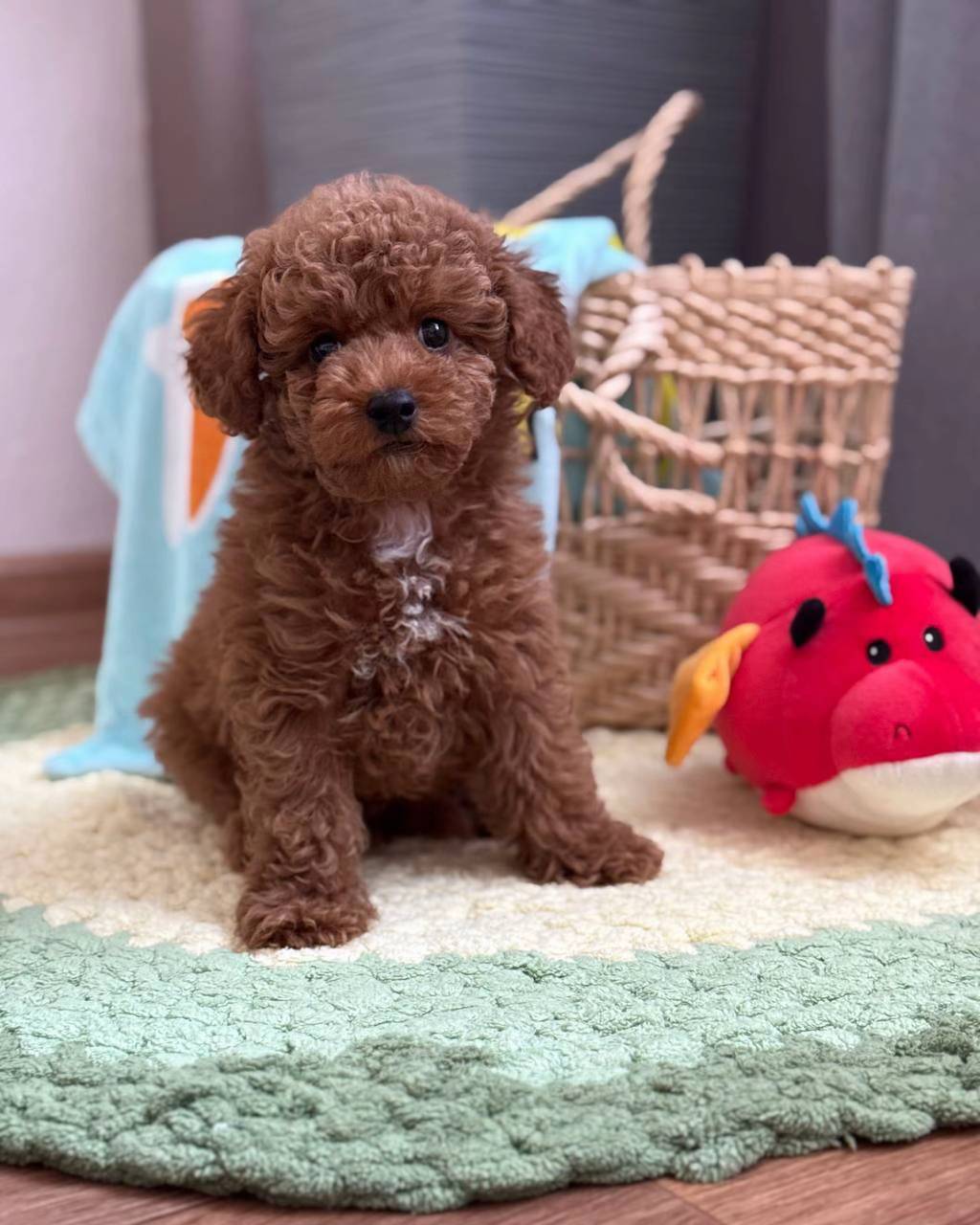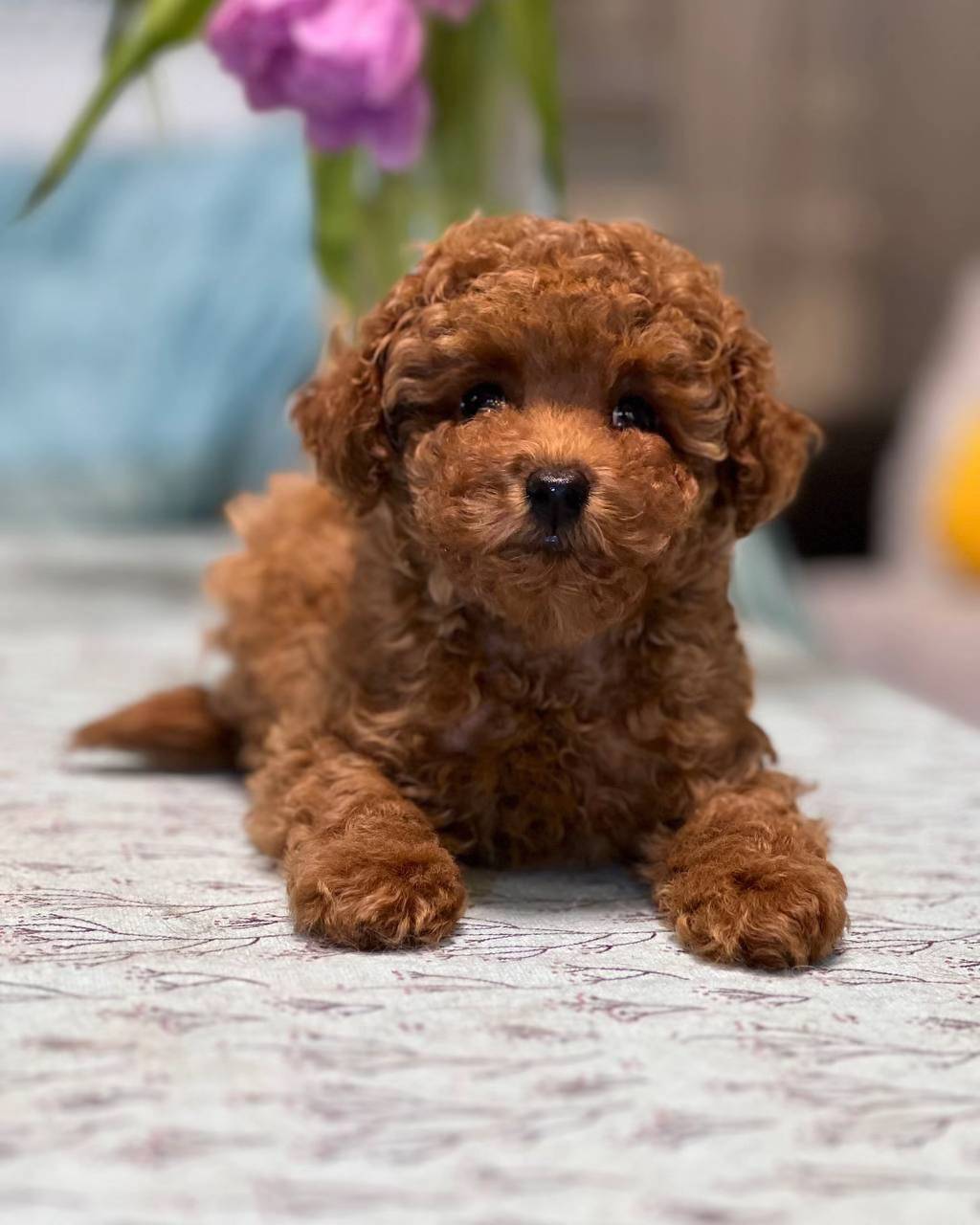

Toy Poodle Puppies: Everything You Need to Know Before Bringing One Home

If you’ve ever watched a toy poodle trot across a room — head held high, curls perfectly intact, eyes bright with curiosity — you already understand why so many people fall completely in love with this breed. They’re small enough to curl up in your lap but spirited enough to keep up with an active lifestyle. And as puppies? Honestly, they’re almost unfairly cute.
But there’s a lot more to toy poodle puppies than their looks. Before you bring one home, it helps to know what you’re actually getting into — the good, the demanding, and the genuinely wonderful.
What Is a Toy Poodle, Exactly?
The toy poodle is the smallest of the three poodle size varieties (standard, miniature, and toy). Most toy poodles stand under 10 inches tall at the shoulder and weigh between 4 and 6 pounds when fully grown. Despite their dainty size, they carry all the intelligence and personality of their larger poodle cousins — sometimes more attitude too, if we’re being honest.
Originally bred in Germany as water retrievers, poodles were later refined in France into the elegant companion dogs we know today. The toy variety was developed specifically for city dwellers and nobility who wanted a dog that fit comfortably into smaller living spaces without sacrificing brains or charm.
Toy Poodle Puppy Temperament
One thing new owners consistently say about toy poodle puppies is that they’re surprisingly bold for their size. These little dogs have no idea how small they are. They’re curious, playful, and deeply attached to their people — sometimes to a fault.
Toy poodles thrive on human interaction. They pick up on routines quickly, learn to read their owner’s moods, and have a talent for being exactly where you need them. That said, this sensitivity also means they don’t do well when left alone for long stretches. Separation anxiety is a real concern with this breed, so if you’re away from home most of the day, a toy poodle may not be the best fit — or you’ll need a solid plan for keeping them company.
The good news is that toy poodles are among the most trainable dogs in the world. Ranked consistently near the top of canine intelligence studies, they learn commands quickly and genuinely enjoy the mental stimulation that training provides. Puppy classes aren’t just helpful — they’re something toy poodle puppies tend to actually enjoy.
What to Expect in the First Few Months
Bringing home a toy poodle puppy is exciting, but the first few months require patience and consistency. Here’s a realistic picture of what those early weeks look like.
House training takes time. Toy poodles are smart, but their small bladders mean frequent trips outside — sometimes every hour when they’re very young. Crate training works well with this breed and helps establish a reliable routine faster.
Socialization is critical. Toy poodle puppies that aren’t exposed to different people, sounds, and environments early can grow into nervous or anxious adults. Take them places. Introduce them to children, other dogs, and everyday chaos in a calm, positive way.
They’ll want to be with you constantly. This is charming and also something to be aware of. If you let a toy poodle puppy sleep in your bed from day one, that becomes their expectation for life. Set boundaries early if that matters to you.
Teething is real. Between 12 and 24 weeks, your puppy will chew on things. Keep appropriate toys available and redirect consistently.
Toy Poodle Puppy Care Essentials
Grooming
This is the part many first-time toy poodle owners underestimate. The coat — that signature, non-shedding curl — requires regular brushing to prevent matting. Most owners brush their toy poodle three to four times a week, and professional grooming every six to eight weeks keeps the coat manageable and healthy.
The upside of that high-maintenance coat is that toy poodles shed very little, making them one of the more popular choices for people with mild dog allergies. They’re not truly hypoallergenic — no dog is — but they’re significantly less likely to trigger reactions than heavy-shedding breeds.
Nutrition
Toy poodle puppies have fast metabolisms and small stomachs. They need high-quality puppy food formulated for small breeds, fed in small portions multiple times a day. Overfeeding is a common mistake — these dogs can gain weight easily, which puts stress on their tiny frames.
Look for a food where a named protein (chicken, turkey, fish) is the first ingredient. Avoid fillers like corn syrup or artificial preservatives. Your vet can help you dial in the right portion sizes for your specific puppy’s growth stage.
Exercise
Toy poodles are active dogs packed into a small body. Daily walks and play sessions keep them mentally and physically healthy. But because of their size, they don’t need hours of vigorous exercise — 20 to 30 minutes of activity a day, split into a couple of sessions, is usually plenty for a puppy.
Be cautious about stairs and jumping from heights. Toy poodles are prone to luxating patellas (loose kneecaps), and high-impact activities during puppyhood can increase the risk of joint problems later.
Veterinary Care
Schedule a vet visit within the first few days of bringing your puppy home. Your vet will check for any health concerns, confirm the vaccination schedule, and discuss parasite prevention.
Common health concerns in toy poodles include:
- Luxating patella — a kneecap that slips out of place, common in small breeds
- Progressive retinal atrophy — a hereditary eye condition that responsible breeders test for
- Hypoglycemia — low blood sugar, particularly in very young or very small puppies
- Dental disease — small mouths mean crowded teeth; regular brushing matters
A reputable breeder will have health-tested both parents and provide documentation. If they can’t show you health clearances, walk away.
Finding a Toy Poodle Puppy
This is where people often go wrong. The demand for toy poodle puppies is high, which means there are unfortunately a lot of irresponsible breeders and puppy mills producing them at volume with little regard for health or temperament.
A responsible breeder will:
- Welcome you to visit and meet the puppy’s parents
- Show health testing results for genetic conditions
- Ask you questions — they want to know their puppies are going to good homes
- Not have puppies available immediately at all times
- Provide a health guarantee and be willing to take the dog back if things don’t work out
Expect to be on a waitlist. That’s actually a good sign. Good breeders aren’t in the business of mass production — they’re selective about who their puppies go to, and that selectiveness is worth waiting for.
Adoption is also worth considering. Toy poodles and poodle mixes do end up in rescues, often because their previous owners didn’t fully understand the commitment involved. Organizations like the Poodle Club of America’s rescue network can connect you with dogs in need of homes.
Is a Toy Poodle Puppy Right for You?
Toy poodles are a wonderful match for people who want an intelligent, affectionate, low-shedding companion and have the time to invest in their care and training. They do well in apartments and houses alike, adapt well to different lifestyles, and form incredibly strong bonds with their families.
They’re less ideal for households where they’ll spend most of the day alone, families with very young children who might accidentally injure such a small dog, or owners who aren’t prepared for the grooming commitment.
If you can meet their needs — the attention, the grooming, the early socialization and training — a toy poodle puppy will reward you with years of loyalty, laughter, and the distinct pleasure of owning a dog that seems genuinely convinced it’s the smartest one in the room. (It probably is.)
-
Bella
Original price was: $600.00.$520.00Current price is: $520.00. -
Benny
Original price was: $2,200.00.$2,050.00Current price is: $2,050.00. -
Chanel
Original price was: $2,450.00.$2,300.00Current price is: $2,300.00. -
Lucy
Original price was: $2,600.00.$2,400.00Current price is: $2,400.00. -
Luna
Original price was: $2,450.00.$2,300.00Current price is: $2,300.00. -
Teddy
Original price was: $2,100.00.$1,900.00Current price is: $1,900.00.